
Hydraulic Breaker Valve: Function, Inspection and Ordering
Understand hydraulic breaker valve function, record operating symptoms and inspection evidence, and prepare a model-matched valve replacement inquiry.
All buyer guides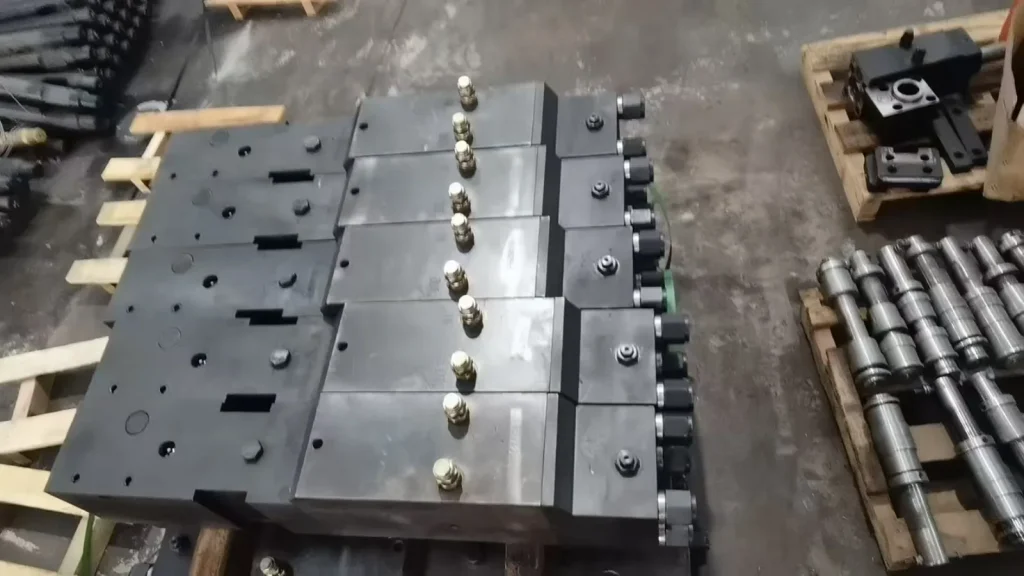
A hydraulic breaker valve controls oil movement inside the breaker power cell. Depending on the design, it may be a separate control-valve assembly, a valve spool working in the cylinder, or a group of valve-related parts. Because ports, lands, passages, clearances and revisions are model-specific, a replacement must be matched to the exact breaker—not selected from an outside photograph alone.
This guide helps buyers and repair workshops describe a valve problem, protect inspection evidence and prepare a model-matched inquiry. It does not publish universal pressure, flow, clearance, grinding or adjustment values. Diagnosis and internal service must follow the current manual for the exact breaker and carrier circuit.
Safety boundary: Breaker and carrier circuits can retain high-pressure oil after shutdown, while some breaker assemblies also contain stored gas pressure. Lower and secure the attachment, isolate the carrier, release stored energy by the approved procedure and use trained personnel before opening any line or power-cell component. Never search for a leak with a bare hand.
What a Hydraulic Breaker Valve Does
The breaker valve helps direct pressurized oil so the piston can cycle and deliver repeated impacts. The detailed sequence differs by breaker architecture. Oil passages, valve lands, pilot areas, piston position and return conditions interact as one system; the valve is not an independent on/off cartridge that can be assessed without the rest of the circuit.
The carrier’s supply flow, relief setting, back pressure, hose routing and oil condition can change the symptoms seen at the breaker. Use the hydraulic breaker working-principle guide for the general cycle, then use the exact service document for measurement points and limits.
Valve Names Can Describe Different Assemblies
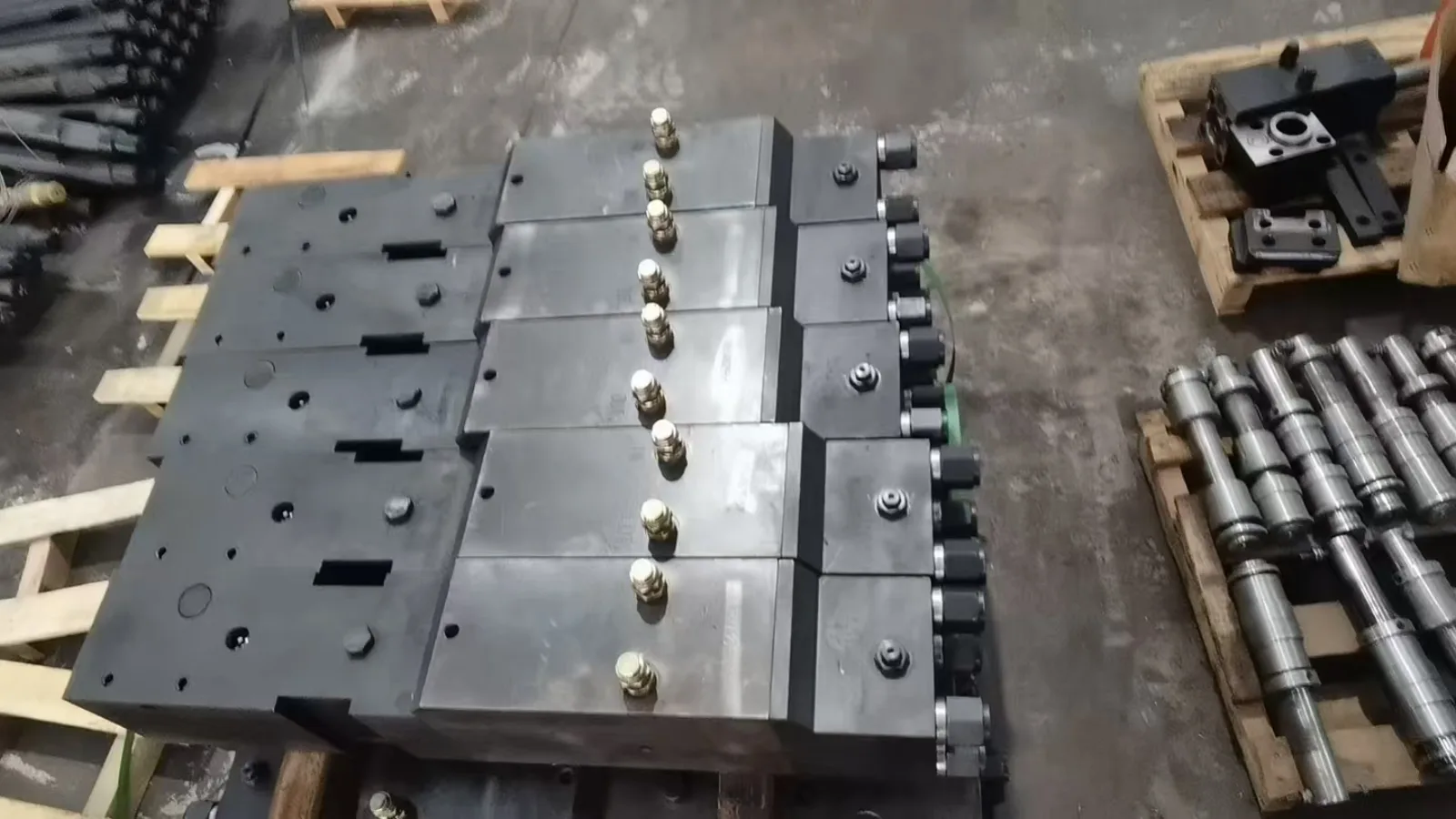
Parts books may use terms such as control valve, distribution valve, valve spool, valve chest, valve body, sleeve, plug or seal kit. A carrier-mounted flow-control valve is also different from the breaker’s internal control valve. Translate the name into a drawing item before requesting a quotation.
Send the relevant exploded drawing with the item circled whenever possible. If the drawing is unavailable, provide photographs of the complete breaker, nameplate, hose-port side, removed assembly and every visible marking. State whether the requested scope is a valve body, moving element, complete assembly or related seal kit.
Why Hydraulic Breaker Valve Fitment Is Model-Specific
Critical differences may include overall geometry, mounting face, bolt pattern, port position, internal bore, spool lands, pilot holes, plugs, springs, seals and oil-passage orientation. A revision can change internal details while leaving the outside shape familiar. Tool diameter and excavator class are useful context but cannot confirm these interfaces.
Use the full breaker model, serial number and production revision. If identification depends on dimensions, ask which dimensions control the match and label every measurement point. Never insert an unknown valve merely because its mounting holes align.
| Evidence | Record | Why it matters |
|---|---|---|
| Breaker identity | Brand, full model, serial/revision and nameplate image. | Connects the request to the correct hydraulic architecture. |
| Drawing item | Parts-book page, item number and existing part number. | Separates internal control parts from carrier-side valves. |
| Port and face layout | Uncropped photographs with labeled orientation and measurements. | Prevents a mirrored or revised passage arrangement from being missed. |
| Internal scope | Body, spool, sleeve, plugs, springs and seals required. | Allows equal comparison between complete and partial quotations. |
| Operating complaint | When the symptom occurs and carrier test evidence. | Avoids replacing the valve before external causes are checked. |
Symptoms That Justify Valve-System Diagnosis
Possible complaints include no impact, irregular impact, a change in blow frequency, weak performance, unusual heat, leakage or a breaker that stops under a repeatable condition. These symptoms do not prove valve failure. Incorrect carrier settings, restricted return, low oil supply, contamination, damaged hoses, piston or seal problems, tool loading and operating technique may produce overlapping behavior.
Record the complaint before dismantling: carrier model, breaker model, oil temperature condition, engine mode, attachment circuit used, recent service, filters, hose changes and whether the symptom is continuous or intermittent. Follow the hydraulic breaker troubleshooting guide to separate carrier-side evidence from breaker-side inspection.
Inspect the Carrier Circuit Before Condemning the Valve
A breaker valve cannot operate correctly if the carrier does not provide the required supply and return conditions. Qualified personnel should compare measured circuit performance with the breaker and carrier documentation. The evidence pack should identify where and how measurements were taken, the instrument used and the oil temperature at the time.
Do not turn an adjustment screw or change a relief setting merely to make the breaker run. An undocumented adjustment can hide the original cause, overload components or create heat. Restore only verified settings using the approved procedure.
Hydraulic Breaker Valve Inspection Evidence to Preserve
Scoring, pickup or surface transfer
Photograph the entire component and then the affected area under neutral light. Record orientation and mating surface. Do not polish away a mark before the reviewer sees it; surface damage can be connected to contamination, alignment or lubrication evidence elsewhere.
Sticking or restricted movement
A movement complaint must be checked using the specified clean procedure and acceptance criteria. Do not force a spool with improvised tools. Preserve oil samples, filter findings and any debris removed from the circuit.
Damaged ports, plugs or threads
Record the original fitting, thread identification and sealing method. Mixed adapters or overtightened plugs can damage a body while appearing to be a valve-performance fault. Protect open passages immediately after inspection.
Seal leakage
Mark the exact leak location before cleaning. Identify every removed seal by position and kit reference. A new seal does not repair a damaged groove, incorrect part, contaminated surface or excessive clearance.
Cleanliness Is Part of the Diagnosis
Small internal passages and close moving interfaces make contamination control important. Use clean caps, lint-free materials and a controlled inspection area. Separate parts by position and orientation. Never place an open valve assembly on a dirty bench or use shop air without an approved procedure.
If metal or elastomer debris is found, document its location and inspect related components and filters. Replacing the visible valve while contaminated oil remains in the system can repeat the problem. The repair record should state how the carrier circuit, hoses and breaker passages were evaluated before recommissioning.
Measurement and Acceptance Require Controlled Data
Typical evidence may include body and spool dimensions, clearances, flatness, port details or spring data, but the required points depend on the exact valve. Use the manufacturer or supplier drawing and stated measurement conditions. A used component is not a reliable nominal reference.
Do not publish or reuse a clearance from another breaker family. If a workshop proposes machining, coating or polishing, require an approved repair specification that addresses material, surface finish, geometry, cleaning and final inspection. Otherwise request a replacement assembly.
Related Parts to Check
Review the piston and cylinder interfaces, seals, plugs, springs, hoses, couplers, filters and carrier valve settings relevant to the model. The piston inspection guide explains how to document related impact and surface evidence. Where the parts book separates valve components, confirm whether a matched set or individual item is permitted.
Keep the diagnosis and order scope separate. A technician may inspect several related parts without recommending that all of them be purchased. Mark each line as confirmed replacement, inspection item or optional spare.
How to Compare Hydraulic Breaker Valve Quotations
| Quotation point | Evidence expected | Buyer question |
|---|---|---|
| Fitment basis | Exact model/serial or controlled drawing comparison. | Which valve revision and drawing were used? |
| Assembly scope | Itemized body, spool, sleeve, plugs, springs and seals. | Is this complete or does it reuse old internal parts? |
| Inspection | Agreed dimensional, surface and cleanliness evidence. | Which report accompanies the shipment? |
| Ports and fittings | Confirmed thread, position and included adapters. | Will our existing hoses and fittings remain applicable? |
| Commercial details | Quantity, current availability, lead time, packing and destination. | Which details are confirmed for this order? |
Handling, Storage and Packing
Cap every clean port, protect precision faces and keep the assembly in a sealed, identified package. Use corrosion protection compatible with the specified cleaning and installation process. Do not allow a spool or internal item to move loose inside the package.
Photograph identification marks, protected ports, packing layers and the closed package. The shipping record should use the actual packed weight and dimensions. If a core or used valve is returned for review, clearly label its fluid condition and handling status.
Common Valve Ordering Mistakes
- Calling a carrier-side flow-control valve and breaker internal valve the same part.
- Ordering by breaker appearance, excavator class or tool diameter only.
- Assuming that matching bolt holes prove internal passage compatibility.
- Changing carrier settings before preserving baseline test evidence.
- Cleaning or polishing away scoring and debris before technical review.
- Comparing a bare body with a complete valve assembly as equal quotations.
Copy-and-Send Hydraulic Breaker Valve Inquiry
Hydraulic breaker valve inquiry
Breaker brand / full model / serial: ___
Carrier model and attachment circuit: ___
Drawing item / existing part number: ___
Operating complaint and conditions: ___
Recent service or adjustment: ___
Carrier test report and oil condition attached: yes / no
Valve photographs / marks / ports attached: yes / no
Required scope: body / spool / complete assembly / seal kit / to be confirmed
Quantity and destination: ___
Please confirm fitment basis, included items, inspection evidence, availability and packing.
Frequently Asked Questions
Does weak impact mean the hydraulic breaker valve is worn?
No. Supply flow, return restriction, pressure settings, temperature, contamination, piston, seals and operating conditions can create similar symptoms. Test the system before ordering.
Can a valve from a similar breaker fit?
Visual similarity is insufficient. The model/revision, mounting interface, oil passages and internal geometry must match.
Should a scratched spool be polished?
Only a model-specific approved repair procedure can authorize rework. Preserve the original surface and contamination evidence for review first.
Is a valve supplied with seals and plugs?
Not always. Require an itemized quotation showing the body, moving parts, seals, plugs, springs and fittings.
What photos help most?
Send the nameplate, complete breaker, hose-port side, valve in its installed orientation, all removed faces and every part number or marking.
Technical References
Epiroc’s official breaker spare-parts information lists a control valve and related parts for a specific breaker model. NPK’s official support library organizes operating and service documents by hydraulic-hammer series. These sources support exact-model identification; they do not establish LICHI settings, clearances or repair limits.
Request a Model-Matched Valve Review
Send the completed evidence pack through LICHI contact or the spare-parts support page. LICHI will review the breaker identity, drawing item, operating evidence, photographs and required scope before confirming fitment, availability, price, packing and lead time in writing.
Keep Comparing
Compare more breaker models and buyer guides related to this topic.


