
Spare Parts to Include With a First Breaker Order
Chisels, seal kits, hoses, through-bolts, bushings and maintenance consumables should be discussed before the first hydraulic breaker shipment.
All buyer guides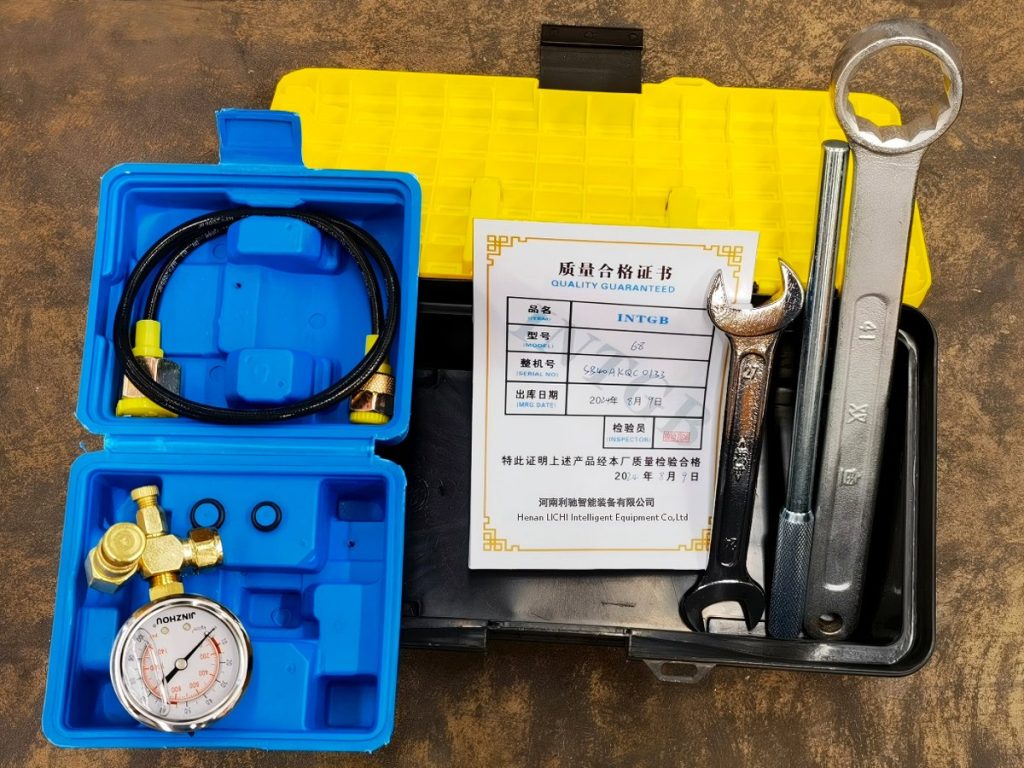
Why Plan Hydraulic Breaker Spare Parts With the First Order?
Hydraulic breaker spare parts should be planned before the first shipment. A breaker can arrive in working condition and still create avoidable downtime if the shipment does not include the parts needed for routine wear, hose replacement or a simple field repair. The risk becomes more expensive when the machine is working far from the supplier or when the next consolidated shipment takes time to arrange.
The correct first-order spare parts package is not a universal box. It should match the breaker model, tool diameter, carrier, application, planned operating time and local access to replacement parts. A contractor operating one breaker has a different stocking need from a dealer supporting several breaker sizes.
LICHI can quote the breaker and its spare parts as separate line items in the same shipment. This makes the landed cost clearer and gives the buyer a written list of the parts matched to the ordered breaker.
Start With Fitment, Not the Part Name
“I need a seal kit” or “I need a breaker chisel” is not enough information for a final match. Parts that look similar may use different dimensions, threads, pin positions or sealing arrangements.
Send the following information before the parts list is confirmed:
- excavator brand, model and operating weight;
- hydraulic breaker brand, model and serial number;
- breaker body type and tool diameter;
- oil flow and working pressure when the breaker itself also needs to be matched;
- clear photos of the breaker nameplate, complete breaker and removed part;
- key measurements or an existing part number when available;
- worksite application, such as demolition, trenching, quarry work or secondary breaking.
Normal matching path: carrier and worksite → breaker model → tool diameter and body configuration → spare part specification.
If the breaker nameplate or serial number is missing, do not release the order from a single photo. Send overall photos, close-ups and measurements so the part can be checked before quotation.
Record the Public LC Model and the Diameter Together
LICHI public model names follow chisel diameter. Write LC-68 with 68 mm, LC-140 with 140 mm and LC-175 with 175 mm on the parts request. Keep the suffix for a special configuration such as LC-200F. Do not replace the public model with an older internal code or a carrier-only description.
The diameter-based name narrows the request but does not prove that an internal part fits every revision. Seal arrangements, piston details, bolts, housings and brackets may still require the serial number, nameplate, measurements or a drawing. Use the hydraulic breaker parts diagram to identify the component area before preparing the request.
Hydraulic Breaker Spare Parts by Failure Risk
| Spare part | Why buyers include it | Warning signs or risk | Required matching information |
|---|---|---|---|
| Breaker chisel or tool | Direct contact wear part selected for the worksite. | Abnormal wear, cracks, deformation or breakage can stop work and may indicate poor lubrication or incorrect matching. | Breaker model, tool diameter, tool shape, length and worksite. |
| Seal kit or oil seals | Used when a confirmed seal replacement is required. | Hydraulic oil leakage or pressure loss requires diagnosis before parts are ordered. | Breaker model, serial number, cylinder information and leak-point photos. |
| Hydraulic hoses and fittings | A damaged hose can stop a serviceable breaker. | Loose connections, surface damage or leakage around a fitting. | Hose length, diameter, fitting type, connection photos and working pressure. |
| Through-bolts or pass bolts | Clamp the breaker body sections together. | Loose, damaged or incorrect bolts can affect body integrity. | Exact breaker model, bolt dimensions and clear photos. |
| Shell or side bolts | Secure the housing or side plates. | Loose housing fasteners can cause movement and secondary damage. | Breaker body type, shell configuration, bolt dimensions and photos. |
| Inner and lower bushings | Guide and support the chisel. | Excessive clearance and uneven wear can damage the chisel, piston or cylinder. | Breaker model, tool diameter, bushing measurements and wear photos. |
| Flat pins and round pins | Retain or locate the tool and related parts. | Cracks, deformation or excessive wear require replacement. | Breaker model, tool diameter, pin shape and measurements. |
| Piston, front head, back head or cylinder assembly | Major internal components, not automatic starter items. | Order only after a confirmed diagnosis; a wrong internal part creates high cost and no repair value. | Full model and serial data, inspection findings, measurements, photos and technician confirmation. |
Parts materials and heat-treatment options vary by model and quotation. Confirm the offered configuration in writing instead of assuming one material grade applies to every breaker size.
What Should Be Included in a First-Order Bundle?
A practical starter bundle normally discusses these lines:
- chisels selected for the actual worksite;
- a model-matched seal kit;
- hoses and fittings confirmed against the machine connection;
- through-bolts and shell or side bolts;
- bushings and retaining pins where local replacement is planned;
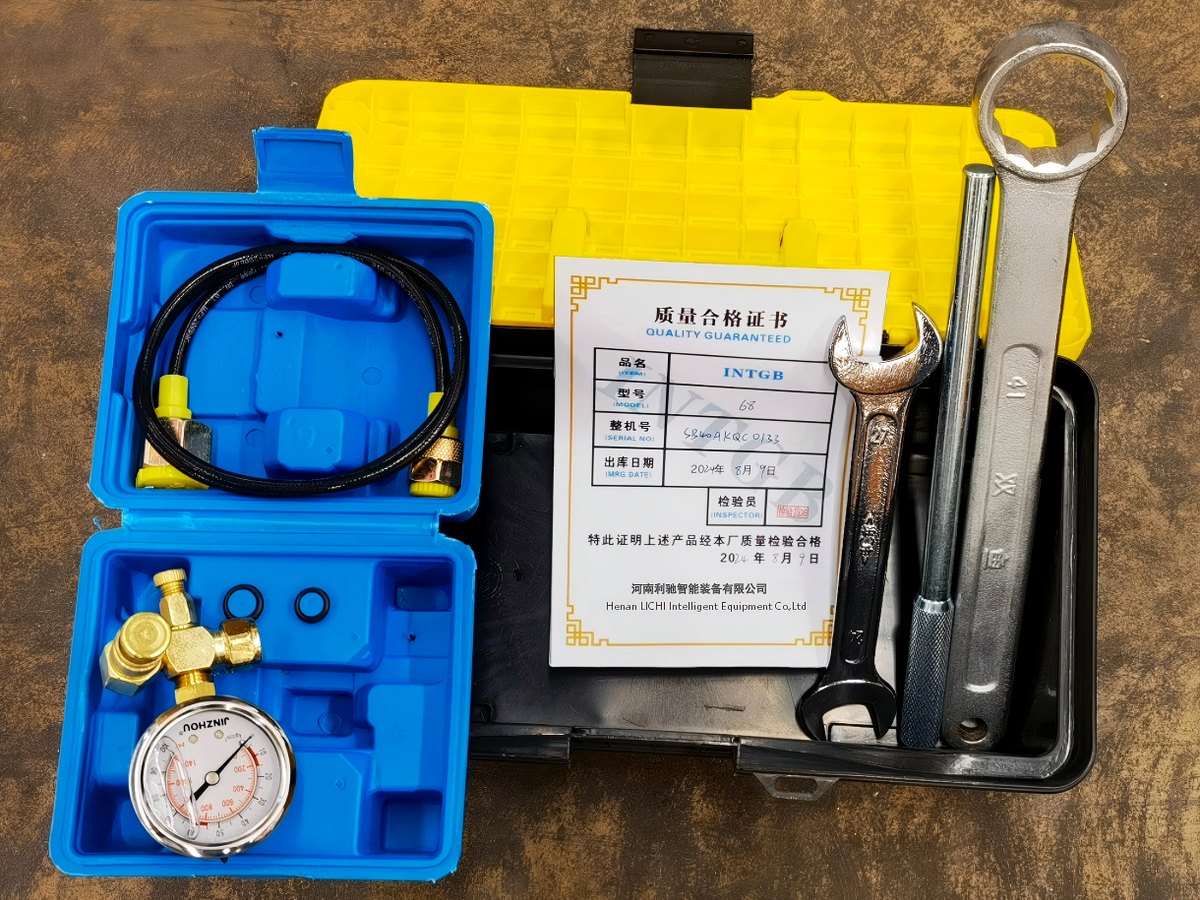
- a basic toolbox, maintenance notes and the service files agreed with the order.
This is a quotation checklist, not a fixed package. Major internal components such as pistons and cylinder assemblies should not be added automatically. Quote them when the buyer has a repair plan, a known local installed base or a confirmed diagnosis.
For part-specific evidence, follow the seal-kit guide, hose identification guide, bushing wear guide and piston inspection guide. These pages explain which photos and records reduce wrong-part risk.
Recommended Quantity Logic by Buyer Type
LICHI should not publish one universal quantity for every buyer. Use the following decision table to prepare the quotation.
| Buyer type | Stocking goal | Parts to discuss | What determines quantity |
|---|---|---|---|
| First breaker buyer | Cover routine wear and simple field replacement until the next planned shipment. | Chisel, seal kit, hoses, bolts, pins and maintenance files. | Ordered breaker model, worksite, operating schedule, destination and expected reorder time. |
| Contractor or fleet owner | Reduce downtime across active machines. | Common wear parts for each breaker model in the fleet. | Active breaker count, shared or different tool diameters, operating hours and local service capacity. |
| Dealer or importer | Support the local installed base without stocking the wrong sizes. | Fast-moving wear parts grouped by confirmed breaker model. | Installed-base list, sales history, common models, local demand and replenishment time. |
| Maintenance reorder | Replace consumed stock before it becomes an urgent repair. | Parts used since the previous shipment. | Service record, current stock, wear photos and next maintenance interval. |
| Urgent repair | Restore one diagnosed breaker. | Only confirmed failed parts and related consumables. | Inspection result, serial number, measurements, photos and technician confirmation. |
Before a quantity is placed on the quotation, send a model list and explain whether the order is for one jobsite, a fleet or dealer stock. This prevents a mixed order from containing parts that cannot be used locally.
How to Match a Breaker Chisel
The excavator model alone does not identify the final chisel. The carrier helps identify the breaker class, but the breaker model and tool diameter still need to be confirmed.
- Confirm the excavator model and operating weight.
- Confirm the hydraulic breaker model.
- Check the chisel or tool diameter.
- Select the tool shape for the material and worksite.
- Confirm length, retaining area and other key dimensions from the existing tool or breaker record.
- Put the agreed specification on the quotation.
Insufficient lubrication can cause abnormal wear between the chisel and bushing and can contribute to tool breakage. When a chisel is replaced, inspect the retaining pins, bushings and removed tool instead of treating the chisel as an isolated part.
Review the hydraulic breaker grease guide for lubrication evidence and the chisel selection guide for tool geometry. The exact grease procedure, wear limit and replacement instruction still come from the applicable breaker manual.
When a Seal Kit Is Not Enough
Visible oil near the front head does not automatically prove that every seal must be replaced. First identify whether the fluid is hydraulic oil or grease and locate the leak point. Loose hose connections, damaged sealing rings and internal wear require different actions.
Send a clear photo and short video of the leak, the breaker model and serial number, the area where the leak starts, recent service information, and any abnormal impact, pressure or temperature symptoms. If abnormal bushing clearance, piston damage or cylinder wear is suspected, obtain a technician’s diagnosis before ordering major internal parts.
Quote Checklist for Breaker Spare Parts
For a faster and more accurate quotation, send one message or spreadsheet containing:
- buyer company and destination country;
- excavator brand, model and operating weight;
- breaker brand, model, serial number and body type;
- tool diameter, tool shape and worksite;
- required part names and requested quantities;
- nameplate, breaker and removed-part photos;
- available part numbers and measurements;
- oil flow and working pressure if breaker matching is also required;
- order purpose: first shipment, fleet stock, dealer stock, maintenance reorder or urgent repair;
- destination port, preferred trade term and packing requirement;
- OEM logo, color, nameplate or document requirements;
- required delivery date, which must be confirmed in the quotation.
The final quotation should identify each part, the matched breaker model, quantity, packing basis and any information still waiting for confirmation. For broader service information, read hydraulic breaker spare parts and after-sales support. Buyers ordering a new breaker can also use the hydraulic breaker export quote checklist.
Frequently Asked Questions
Can breaker spare parts ship with the hydraulic breaker?
Yes. Chisels, model-matched seal kits, hoses, bolts, pins, bushings and agreed maintenance items can be quoted with the breaker shipment. The final list depends on the ordered breaker model and the buyer’s operating plan.
Can LICHI match a chisel from the excavator model alone?
Not for final order release. The excavator model helps identify the breaker class, but the breaker model, tool diameter, tool shape and key dimensions should still be confirmed. Read the guide to match a hydraulic breaker to an excavator.
What if the breaker has no readable nameplate?
Send overall photos, close-ups, tool diameter, bolt and pin measurements, hose connection details and photos of the removed part. LICHI should mark the match as pending until enough dimensions have been checked.
Should a piston or cylinder assembly be included in every first order?
No. These are major internal components. Add them when a dealer has a known local installed base, a buyer has a planned overhaul, or a technician has confirmed the failed part.
How should a dealer choose spare parts quantities?
Start with the local installed-base list and group demand by breaker model and tool diameter. Then compare recent sales, repair records and replenishment time. Do not build the order only from a generic popular-parts list.
Are wear parts covered by one universal warranty?
Warranty terms must be confirmed in the quotation or sales contract. Normal wear, incorrect matching, insufficient lubrication and operation-related damage should not be presented as automatic manufacturing claims.
How long does a breaker spare parts order take?
Lead time depends on the model, quantity, stock status, customization and packing. Request written confirmation for the exact order instead of relying on a general website estimate.
Request a Model-Matched Parts List
Send the breaker model, serial number, tool diameter, required parts, quantity, destination port and clear photos. If the order also includes a new hydraulic breaker, add the excavator model, operating weight, oil flow, working pressure and worksite.
LICHI will review the information and prepare a model-matched parts list for quotation. Final compatibility, quantity, packing, lead time and commercial terms remain subject to written confirmation. Request a model-matched quotation.
Primary Reference Boundary
Manufacturer documentation separates model-specific parts lists, operator instructions and service information. NPK’s official support library, for example, publishes distinct hammer manuals and inspection material, while Epiroc product pages route users to model-specific spare-parts lists. LICHI orders should follow the same evidence principle: use the exact model and revision record rather than a universal parts assumption.
Keep Comparing
Compare more breaker models and buyer guides related to this topic.


