
Hydraulic Breaker Back Head: Inspection and Ordering Guide
Identify a hydraulic breaker back head, document ports and sealing interfaces, preserve inspection evidence and request a model-matched replacement.
All buyer guides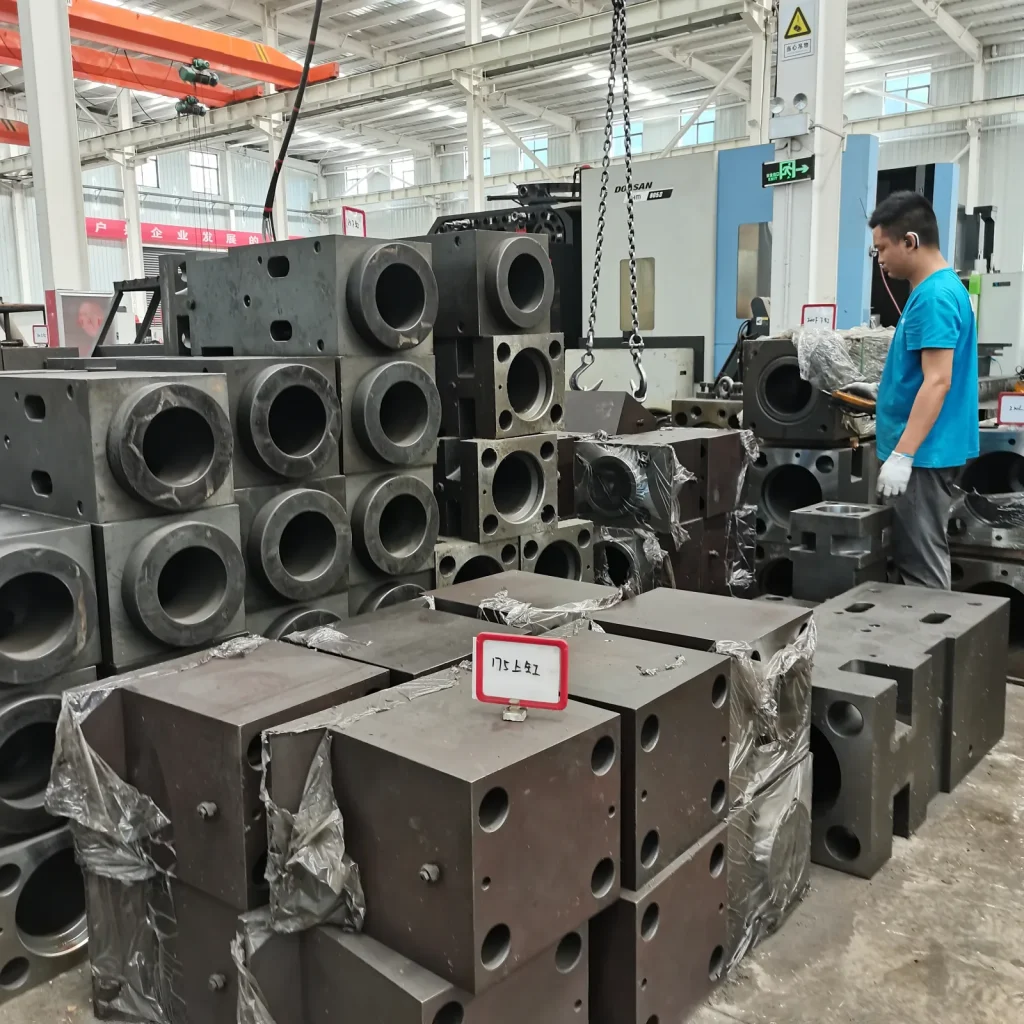
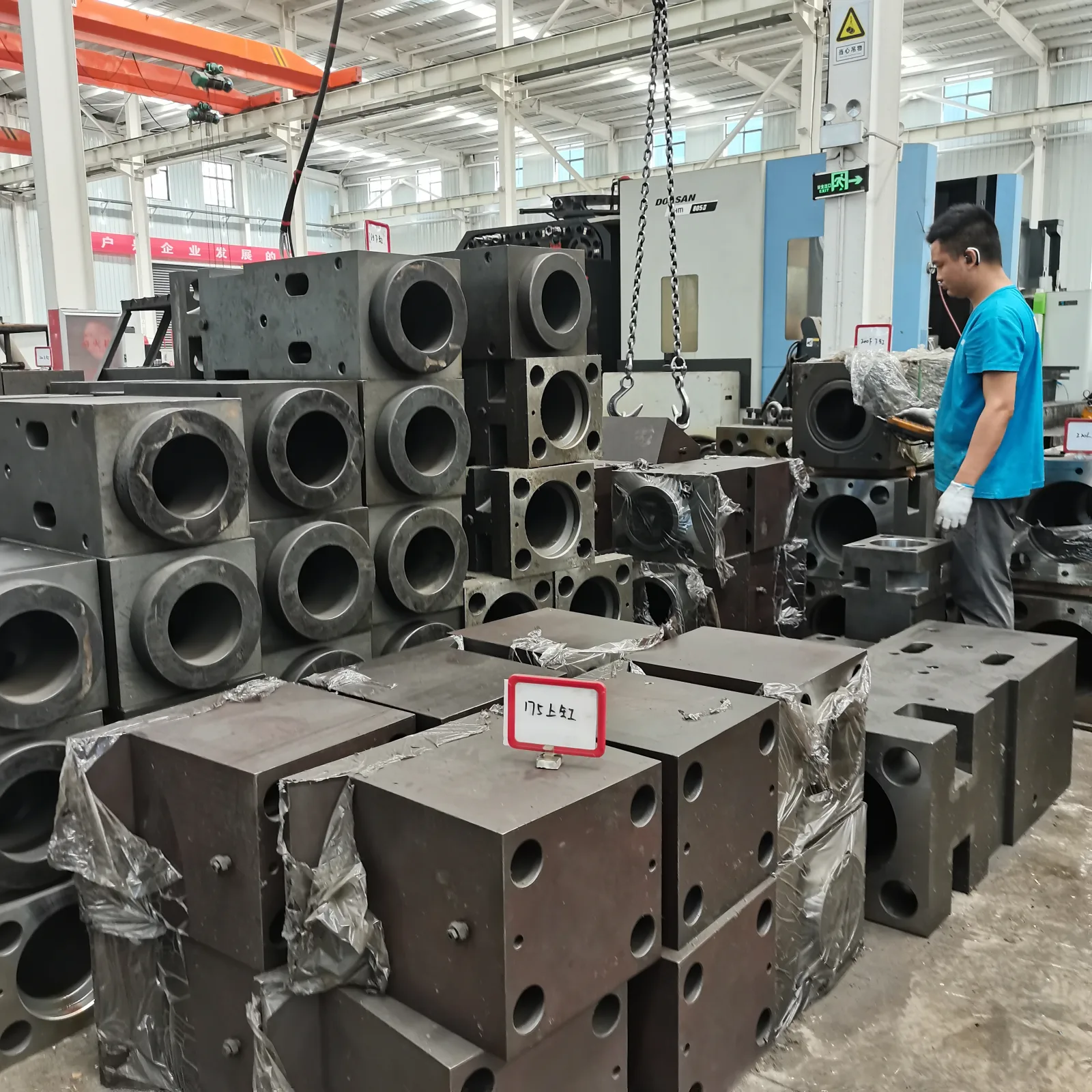
A hydraulic breaker back head is the upper section of the percussion unit. In many breaker designs it closes the cylinder assembly and contains a gas chamber or related sealing and check-valve components. Its geometry, charging arrangement and interfaces vary by model, so a back head must be identified from the exact breaker—not from excavator tonnage or outside appearance.
This guide is for buyers and workshops preparing a replacement inquiry. It explains the evidence needed to identify, inspect and quote a back head without publishing universal gas pressure, torque, machining or assembly values. All pressure handling and internal service must follow the manual for the exact breaker revision.
Stored-pressure warning: A back head may retain pressurized gas after the hydraulic circuit is isolated. Gas can release components or tools with violent force. Do not loosen a charging valve, plug, back head or through-bolt until trained personnel have followed the manufacturer’s verified depressurization procedure with the specified equipment.
What the Hydraulic Breaker Back Head Does
The back head closes the upper end of the power cell and supports the operating architecture specified by the breaker design. Depending on the model, related items can include a gas chamber, charging valve, check valve, plugs, O-rings, seals, cover, cylinder interface and clamping fasteners. Some breakers use a separate accumulator arrangement, while others organize stored gas differently.
Do not assume that every gas-assisted breaker has the same back-head function or charging procedure. The hydraulic breaker working-principle guide explains the system at a general level; the model manual remains the only source for operating values and service steps.
Back Head, Cylinder and Accumulator Are Different Parts
The terms are sometimes mixed in informal parts requests. The back head is an upper structural component. The cylinder guides the piston and contains hydraulic passages. An accumulator, when fitted, is a separate stored-energy assembly that can include a diaphragm or membrane. The exact parts drawing shows which items exist on a given model.
Before requesting “the gas part,” locate the component on the model drawing and send a photograph of the actual assembly. If the request concerns a diaphragm, start with the accumulator and diaphragm guide. If it concerns charge pressure, use the nitrogen-pressure information page and obtain the correct model procedure.
Why Back-Head Fitment Is Revision-Specific
Critical differences can include the cylinder contact face, seal groove, gas volume, charging port, plug thread, check-valve arrangement, through-bolt pattern, locating feature and overall height. A replacement may also require matched seals, plugs or an updated service kit. One photograph or nominal tool diameter cannot confirm all of those interfaces.
Use the complete breaker model and serial range whenever possible. Where no serial is available, add four-side photographs, power-cell marks, hose-port arrangement, tool diameter, old-part markings and a controlled measurement sheet. Ask the supplier to state exactly which evidence controlled the match.
| Identification point | Record | Risk if omitted |
|---|---|---|
| Model and serial | Full nameplate plus any power-cell identifier. | A similar family may use a different back-head revision. |
| Cylinder interface | Contact face, locating features and labeled dimensions. | Misalignment or sealing failure. |
| Gas and valve ports | Location, thread identification, plugs and valve photographs. | Wrong charging hardware or unusable port arrangement. |
| Fastener pattern | Hole positions, through-bolt arrangement and related drawing items. | The power-cell sections cannot be clamped as designed. |
| Supply scope | Bare component versus seals, valve, plugs and service items. | Missing items delay assembly or produce a misleading price comparison. |
When a Back Head Needs Professional Inspection
Inspection may be triggered by a suspected gas leak, damaged charging point, crack, contact-face damage, repeated seal failure, fastener incident or a controlled overhaul. Weak impact alone does not prove back-head failure. Carrier flow, return restriction, oil condition, control valve, piston, seals, tool contact and operating method can create similar symptoms.
Record the complaint before service begins: when it occurs, whether it changes with temperature, whether oil or gas leakage was observed and what work was recently performed. Do not add gas or replace a back head as a trial. A pressure-related symptom must be investigated with the exact manual and qualified tools.
Inspection Evidence to Preserve
Charging point and plugs
Photograph the complete area before cleaning, then record thread condition, cap condition, visible contamination and any previous tool marks. Do not infer the correct adapter or pressure from appearance. A damaged cap and a damaged valve are different scopes.
Sealing and contact faces
Keep photographs tied to their orientation. Record dents, corrosion, fretting, debris or transferred material on both mating components. Replacing only the back head cannot correct a damaged cylinder face or an unresolved alignment problem.
Cracks, deformation and fastener areas
Stop reuse when a structural defect is suspected. Preserve the original surface until the approved inspection method has been selected. Record nearby through-bolt condition and any event that could have produced uneven clamping or impact.
Gas-loss evidence
A low reading or repeated loss must be interpreted using the manufacturer’s temperature conditions, tool and procedure. Record the instrument, adapter, test condition and elapsed time. Never publish or copy a charge value from another breaker model.
Build a Controlled Measurement Record
Ask for the supplier’s marked drawing before measuring. Use reference letters for overall height, body diameters, contact faces, locating features, port threads, seal areas and fastener locations. State units, instruments and measurement points. Keep raw readings and photographs with the report.
A worn value is not automatically the nominal production dimension. Do not round a measurement or select the nearest catalogue item without interface review. If a replacement is proposed from dimensions, require written confirmation of every critical match and any related part that must be changed.
Related Parts to Review
Review back-head seals, O-rings, charging or check-valve components, plugs, cylinder contact face, piston/cylinder condition and through-bolts according to the exact drawing. If a gas-loss complaint followed recent service, include the service record, kit identity, assembly date and post-service test evidence.
For a broader internal-parts request, send one consolidated list through the spare-parts support hub. Separate confirmed required items from optional inspection items so the quotation does not imply that every related component must be replaced.
How to Compare Back-Head Quotations
| Check | Acceptable evidence | Clarification |
|---|---|---|
| Fitment | Exact model/serial or controlled drawing match. | Which revision is quoted? |
| Included items | Itemized body, seals, plugs, valves and service parts. | Is it bare or ready for the specified service procedure? |
| Material/processing | Documented specification agreed before order. | Which certificate or inspection record will be supplied? |
| Testing | Defined inspection or leak-test evidence where applicable. | What is tested, by which procedure and at what stage? |
| Commercial scope | Quantity, availability, packing, destination and terms. | Are lead time and stock current and written? |
Handling and Storage
Protect machined and sealing surfaces with clean, non-shedding covers. Cap ports, prevent corrosion and restrain the component so it cannot roll or strike another part. Do not lift through an unapproved plug or port. The lifting plan must use the actual part weight and approved handling method.
Before packing, photograph the marked part, protected interfaces and final crate. Keep valve or plug components identified to their locations. If the back head has been used, state whether it was depressurized and cleaned under an approved procedure.
Common Back-Head Ordering Mistakes
- Ordering from excavator model or breaker color instead of the power-cell identity.
- Calling the back head, accumulator and cylinder the same component.
- Copying a gas pressure or adapter from a different model.
- Comparing a bare casting with an assembled quotation as if the scope were equal.
- Replacing the back head without checking the cylinder face, seals and fastener system.
- Using one outside diameter as proof of interchangeability.
Copy-and-Send Back Head Inquiry
Hydraulic breaker back head inquiry
Breaker brand / full model / serial: ___
Tool diameter and body type: ___
Existing part number / markings: ___
Reason for replacement and inspection result: ___
Port, valve and plug photographs attached: yes / no
Cylinder contact-face photographs attached: yes / no
Labeled measurements / model drawing attached: yes / no
Required scope: bare head / seals / valve items / to be confirmed
Quantity and destination: ___
Please confirm fitment basis, included parts, testing, availability and packing.
Frequently Asked Questions
Is every hydraulic breaker back head filled with nitrogen?
No universal statement applies. Designs organize gas assistance and accumulators differently. Check the exact model manual and parts drawing.
Can I use a pressure chart found online?
Not unless it is the verified current document for the exact breaker revision and test condition. Incorrect gas handling can damage equipment and injure personnel.
Does weak impact prove that the back head is faulty?
No. Weak impact has several possible carrier, hydraulic, valve, seal, gas, tool and operating causes. Diagnose before ordering.
Is a back head supplied with the charging valve?
Supply scope varies. Require an itemized quotation showing the body, valve, plugs, seals and any service kit separately.
Can a used back head be reused?
Only inspection against the exact manufacturer criteria can support reuse. Appearance alone is not an acceptance test.
Technical References
Epiroc’s official ES 70 spare-parts information lists the back head, seals, piston and control valve as model-specific items. NPK’s official support library separates operator, inspection, tool and storage documentation by breaker series. These references demonstrate the documentation boundary; they do not define LICHI dimensions or charge values.
Request a Model-Matched Back Head Review
Send the evidence pack through LICHI contact. LICHI will review the supplied identity, photographs, drawing and measurements before confirming fitment, scope, inspection documentation, availability, price, packing and lead time in writing.
Keep Comparing
Compare more breaker models and buyer guides related to this topic.


