Hydraulic Concrete Breaker
Match the carrier, hydraulic breaker body, tool and working method to concrete demolition.

Compare four LICHI hydraulic breaker body types—triangular, tower, silent and one-piece straight—before matching the carrier.
Choose a LICHI hydraulic breaker for the jobsite, then confirm carrier weight, hydraulic flow and mounting requirements before quotation. Compare each hydraulic breaker body structure against the operating conditions.
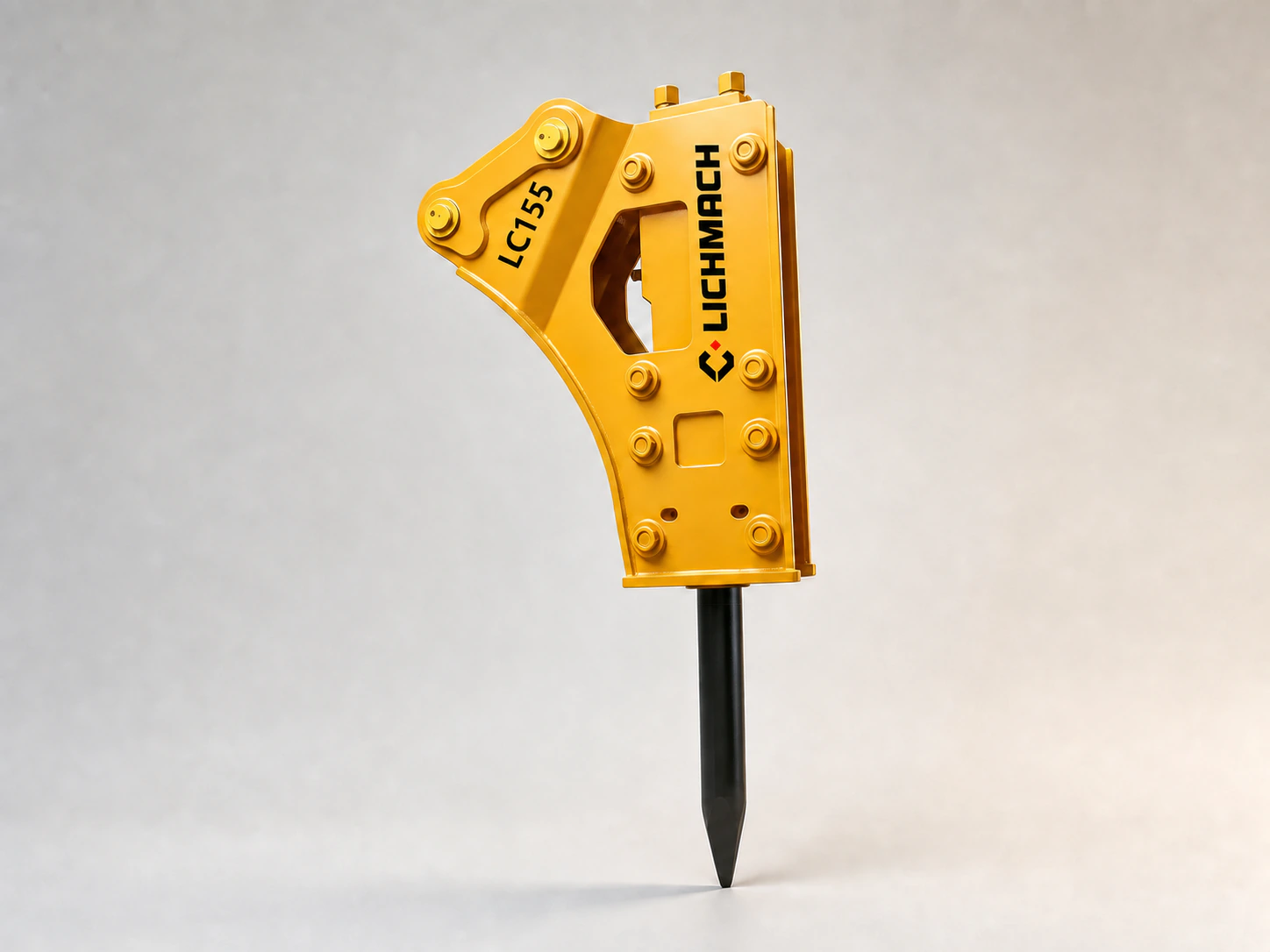
This hydraulic breaker uses open triangular side-mounted construction for convenient inspection and maintenance across general breaking work.
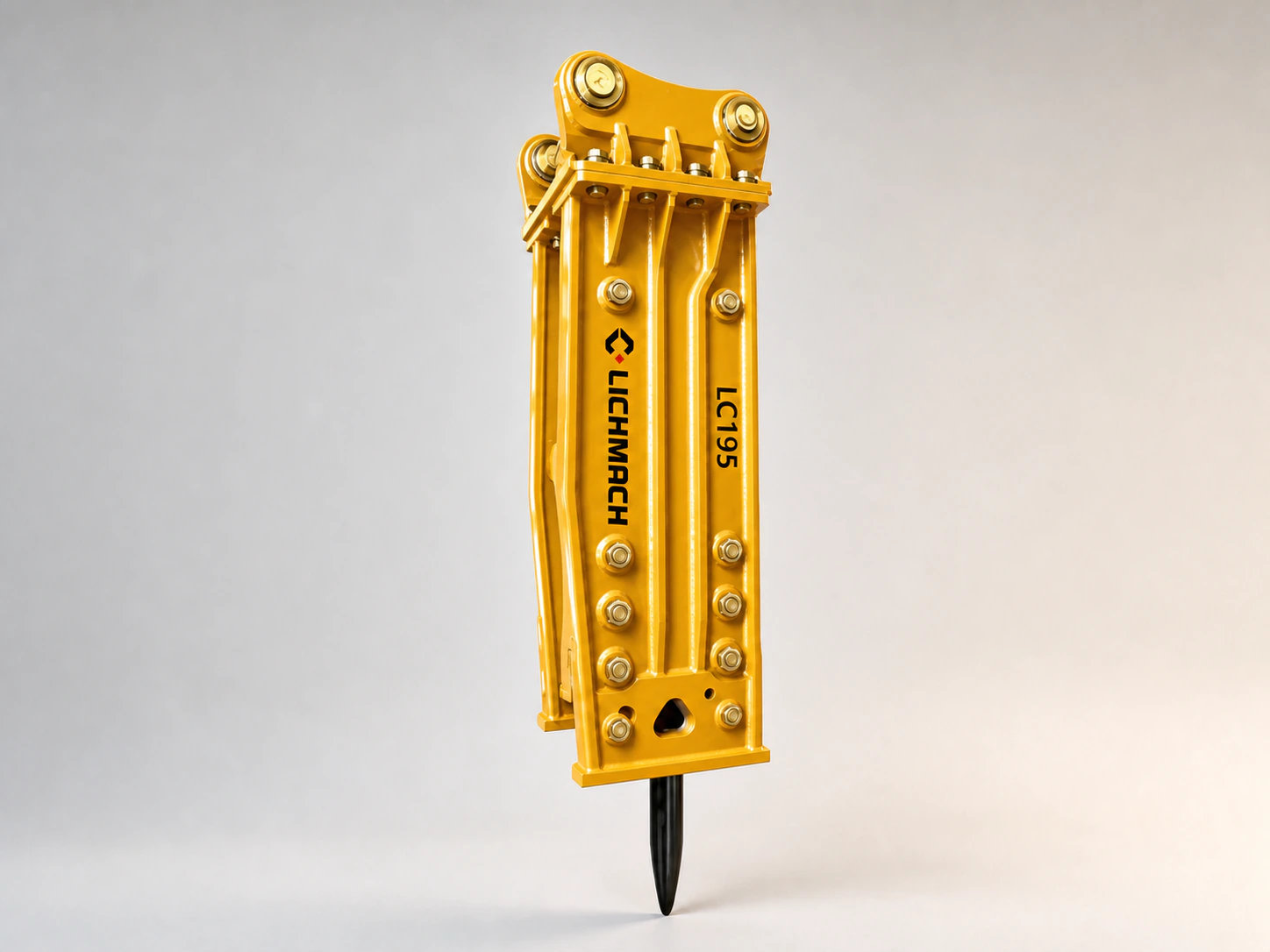
This hydraulic breaker uses top-mounted tower construction for stable downward breaking in rock, trenching and excavation work.
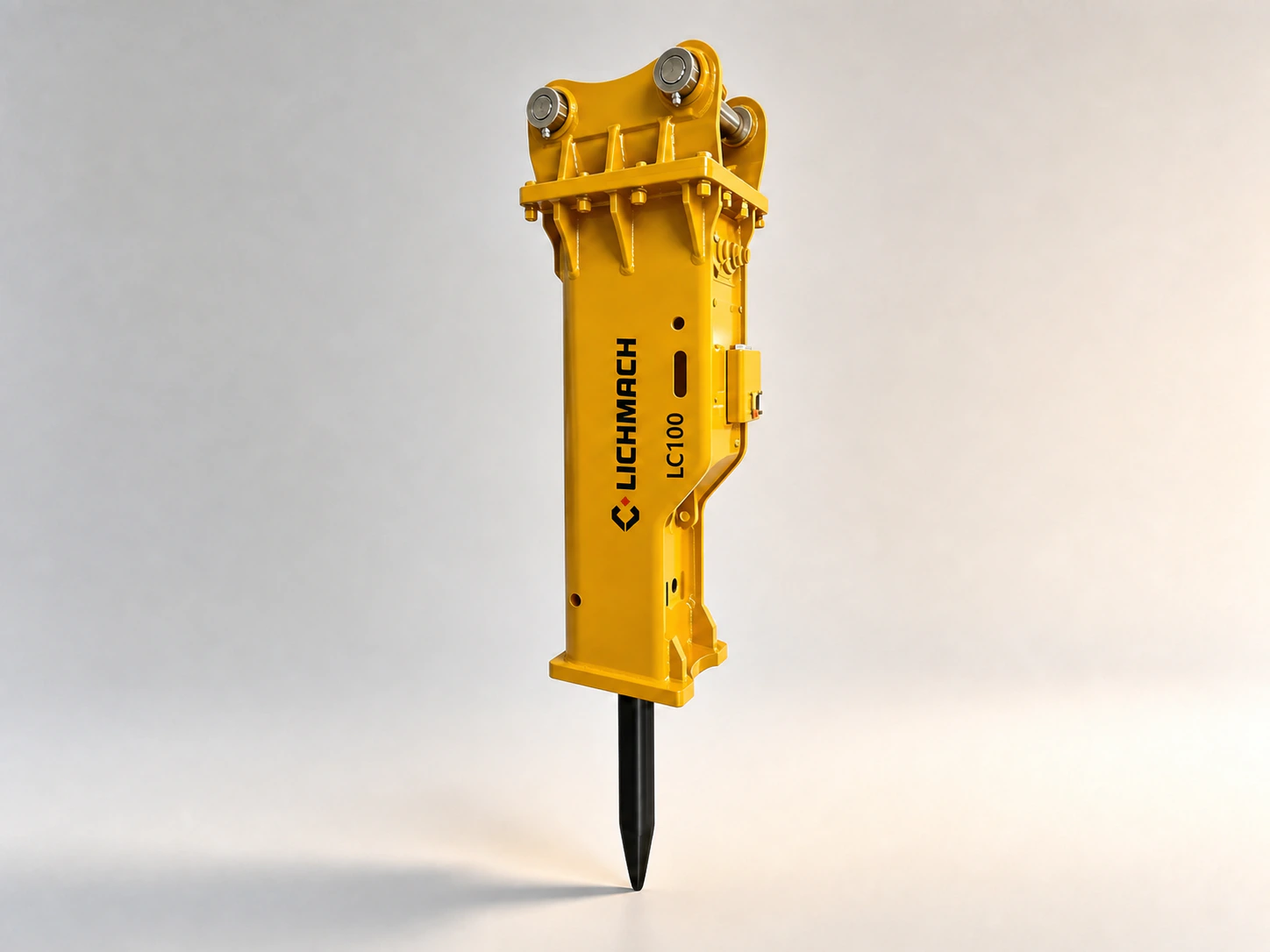
This hydraulic breaker uses an enclosed box housing to reduce operating noise and protect the body in noise-sensitive work.
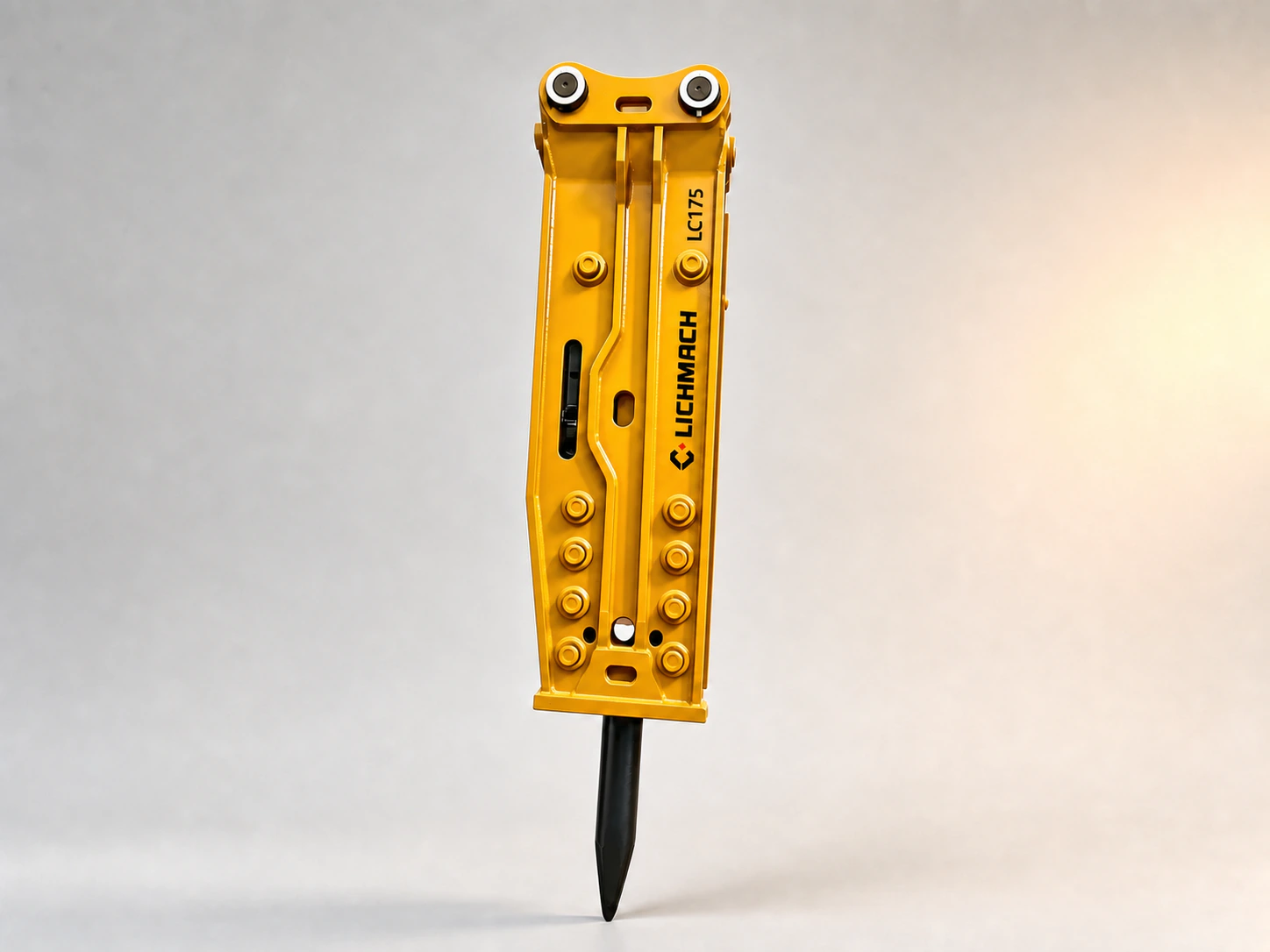
This hydraulic breaker uses one-piece straight construction for demolition, road work and confirmed quarry applications.
Select carrier weight and compare suitable hydraulic breaker models before the quote. A preliminary model suggestion is not a fitment approval; confirm the mounting interface and hydraulic requirements before placing an order.
Send excavator details, oil flow, pressure and destination port for hydraulic breaker matching before quoting.
Dealers and importers need a hydraulic breaker supplier with a clear matching process, a parts path and export-ready communication before payment.
Fitment is checked against carrier model, bracket type, oil flow and pressure before the sales quote.
Your paint, nameplate and packaging can be discussed after the model and order plan are clear.
Chisels, seal kits, hoses and bolts can be quoted with the hydraulic breaker for first-order backup.
Available stock and production timing are checked before the order plan is confirmed.
Discuss fitment and troubleshooting with our application engineers through WhatsApp.
Hydraulic breaker shipping terms, including FOB and CIF, can be discussed by destination port, quantity and route.
Use company files, workshop media, hydraulic breaker inspection checkpoints and packing records before quoting.
Review company exterior, hydraulic breaker workshop, packing and loading photos to check the supplier before the first order.



Choose the hydraulic breaker body for the worksite. Compare rock extraction, concrete demolition and trenching requirements below.
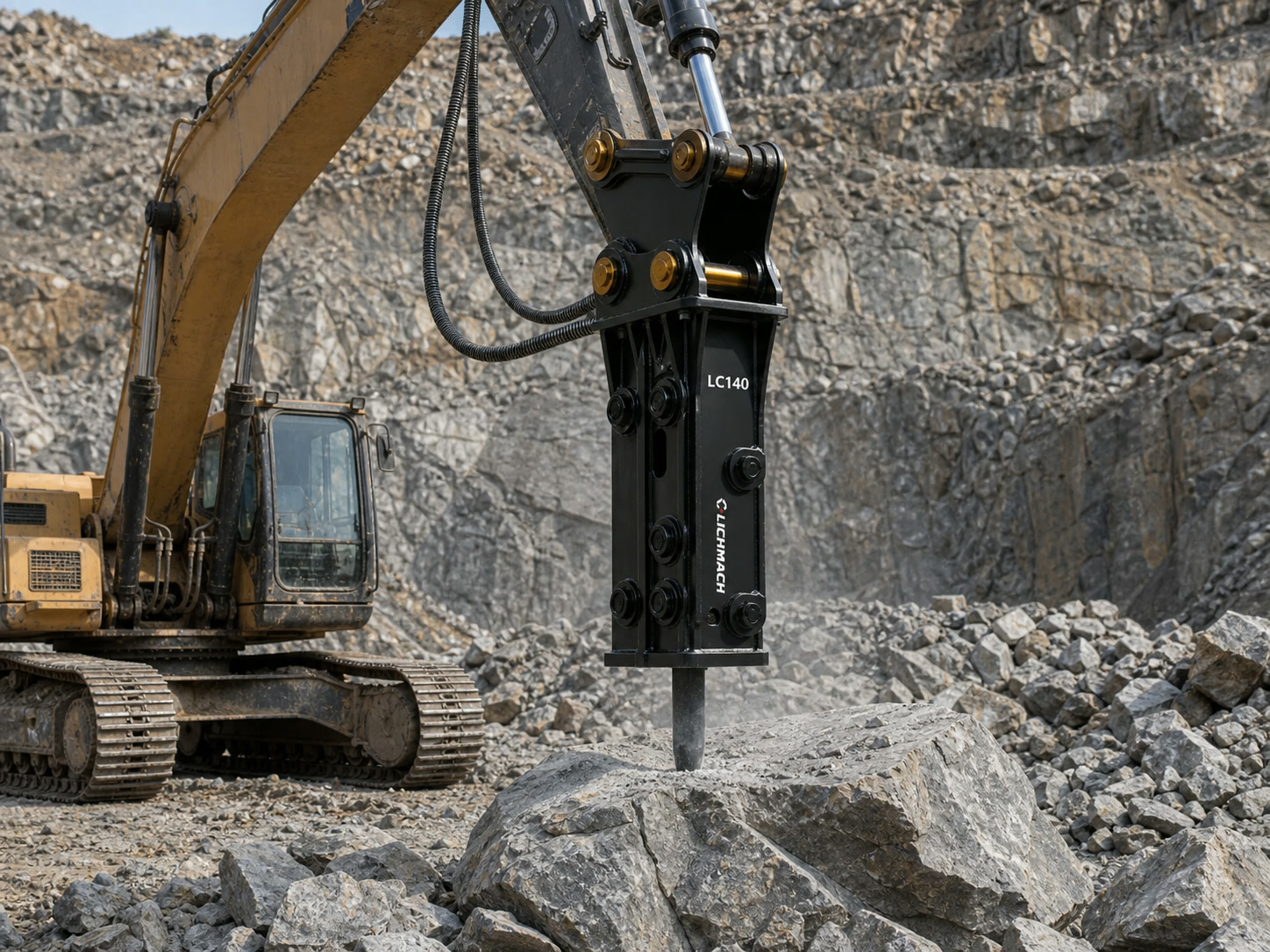
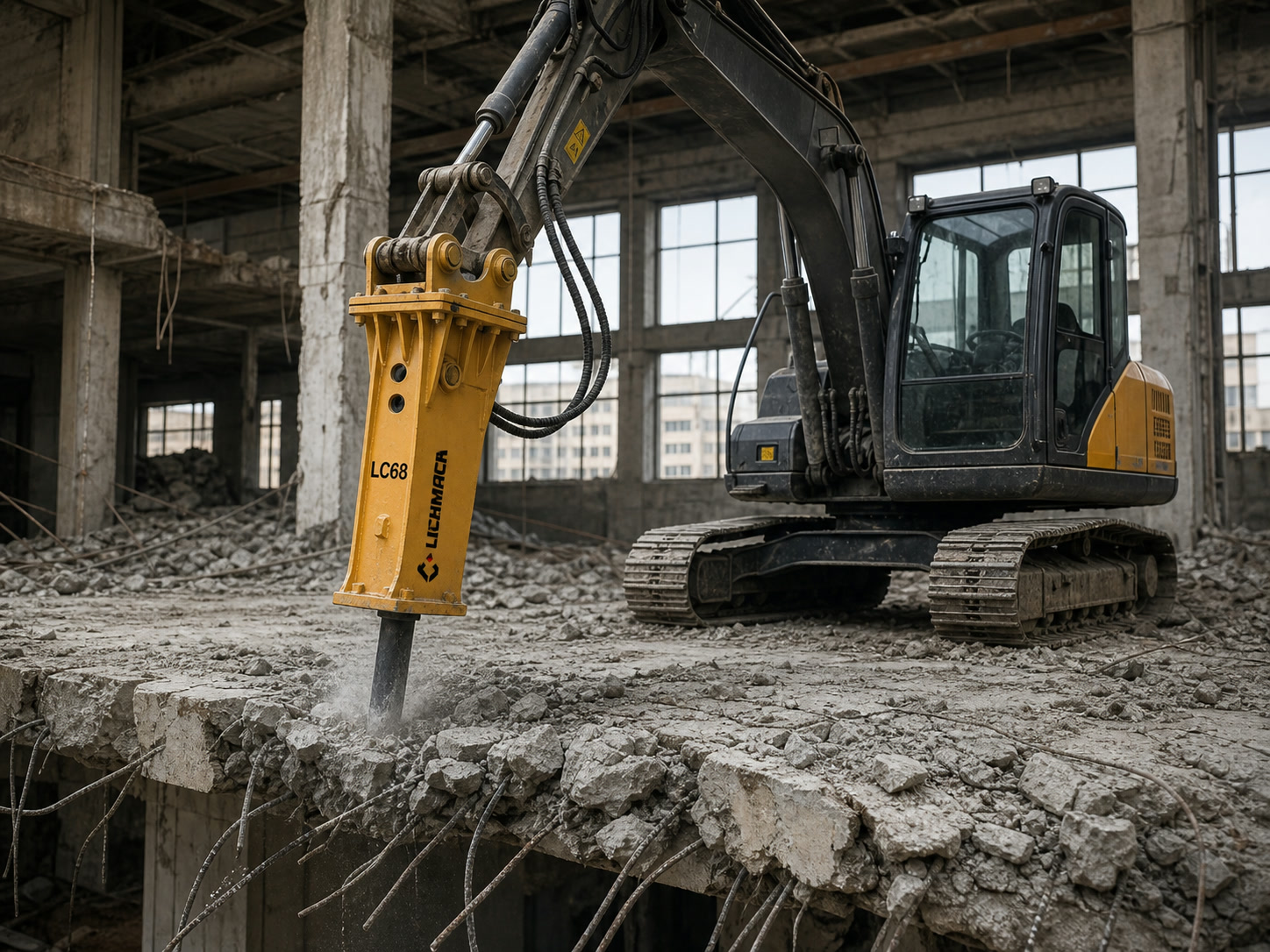
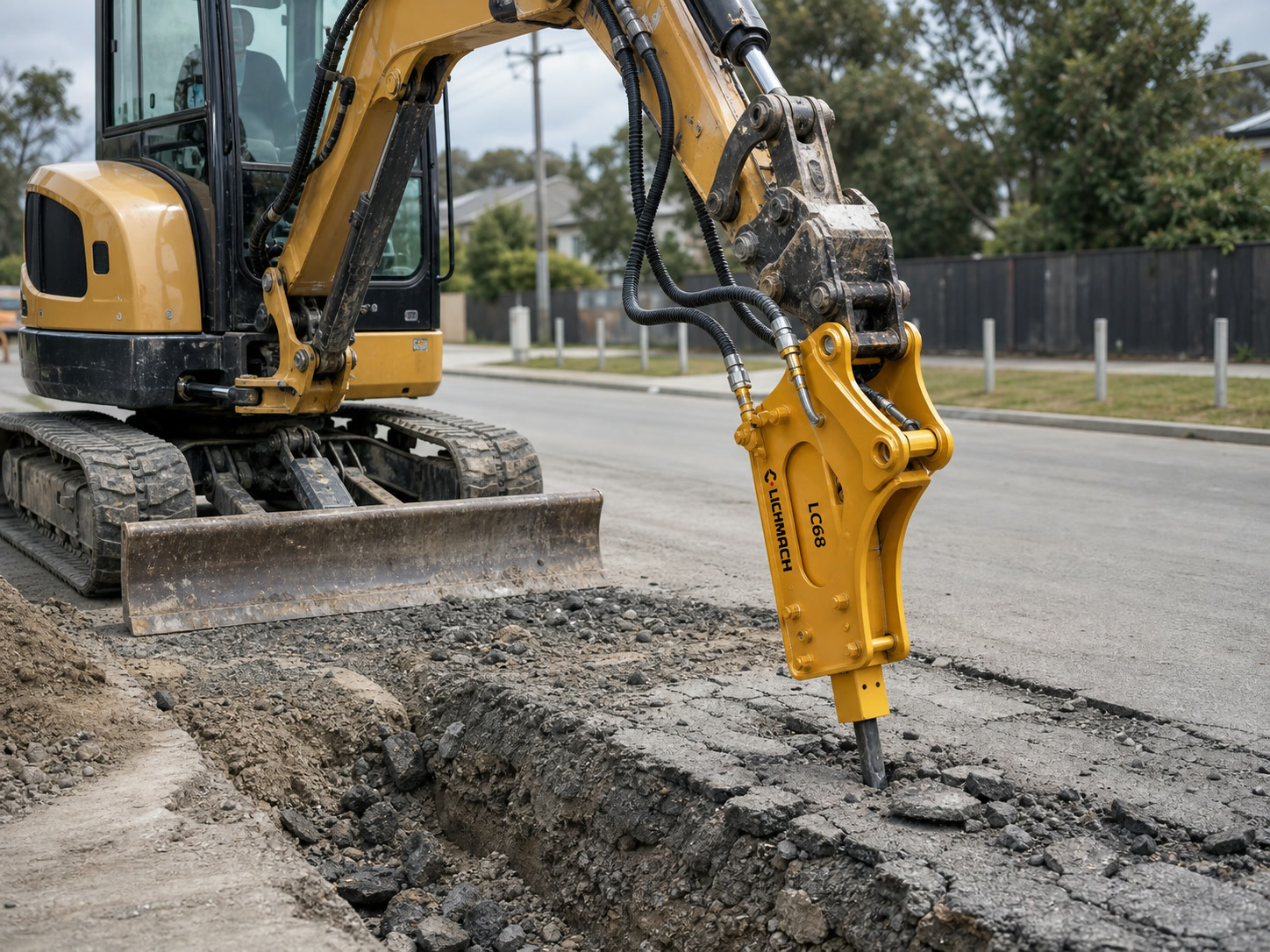
Review hydraulic breaker worksite footage, carrier class and shipment information before discussing your order. View all cases.
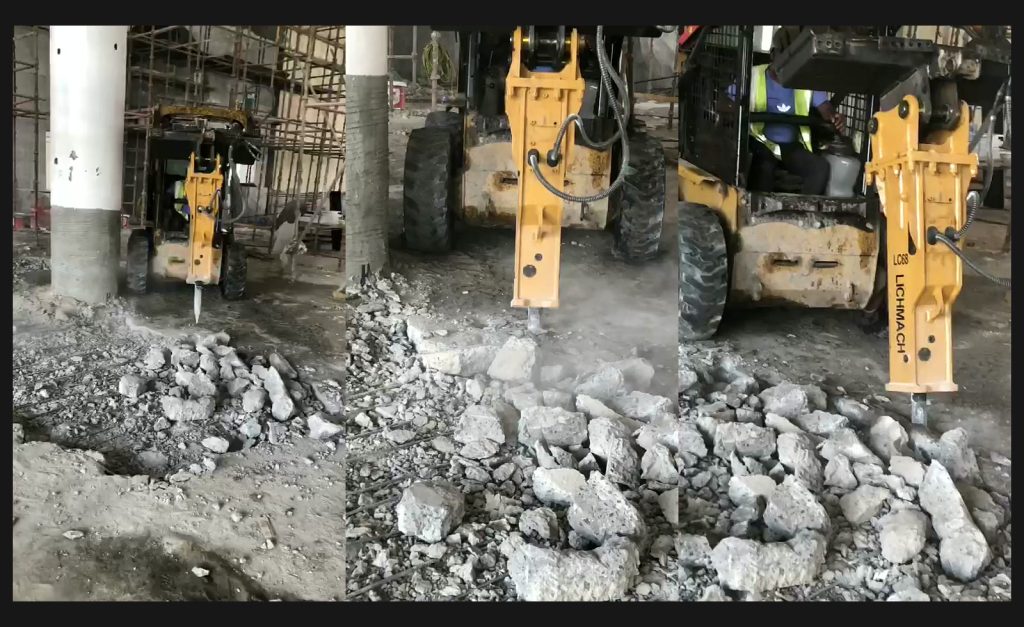
Customer video shows an LC68 silent breaker mounted on a compact tracked loader in Kuwait. Carrier model and performance metrics were not provided.
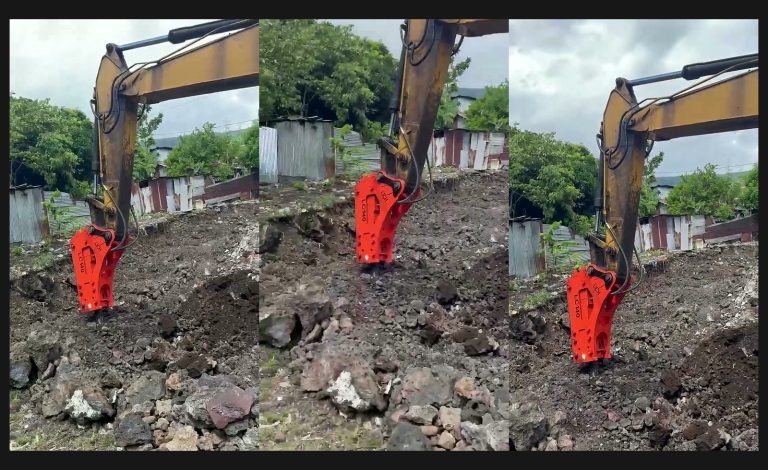
Customer video shows a red LC140 triangular breaker working on a crawler excavator in Chad. The exact carrier model and output data were not provided.
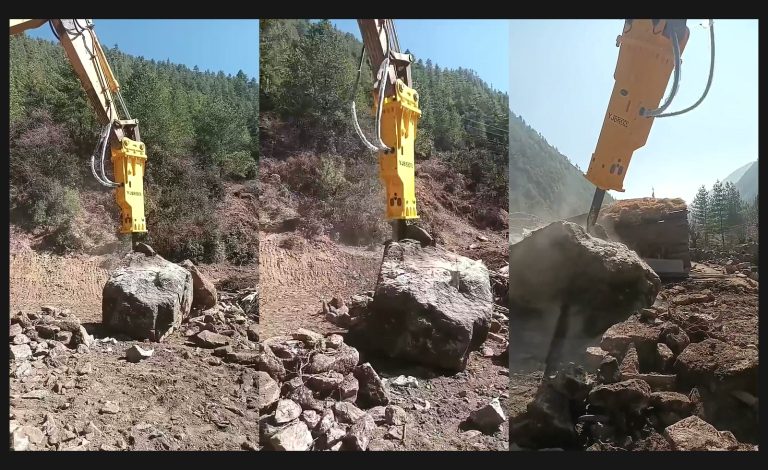
Customer video shows a model 81 silent breaker working on a large rock in Bhutan. The source table maps it to a 140 mm tool and 20–25 t class.
Use the topic hub for model selection, concrete and rock applications, chisel choice, working principles, nitrogen checks and troubleshooting.
Match the carrier, hydraulic breaker body, tool and working method to concrete demolition.
Compare tool shapes and prepare the measurements needed for a checked parts quote.
Record symptoms safely before checking hydraulics, nitrogen, leakage and wear parts.
Understand the carrier circuit, control valve, piston, tool and gas chamber.
Use model-specific instructions, temperature correction and safe charging practice.
Follow the complete path from carrier matching and jobsite choice to parts and support.
Read hydraulic breaker buying, maintenance, model-matching and export notes, then continue to the related evergreen guide.
Identify hydraulic breaker mounting and tool-retaining pins, record wear and dimensions, and prepare a model-matched replacement inquiry.
Understand hydraulic breaker valve function, record operating symptoms and inspection evidence, and prepare a model-matched valve replacement inquiry.
Identify hydraulic breaker through bolts, record threads and failure evidence, compare set contents and request model-matched replacement fasteners.
Your hydraulic breaker quotation includes packing, shipping terms and the destination port so the delivery plan is clear before ordering.
 Wear parts quoted with the hydraulic breaker
A hydraulic breaker order should include a maintenance plan. Quote chisels, seals, bolts and hoses together when the buyer is placing a first order. Include model numbers, serial photos and expected service intervals so the parts list matches the machines already working in your fleet and planned stock.
Keep the service record complete after delivery: identify the issue, confirm warranty scope and prepare the required parts.
Collect carrier model, hydraulic breaker serial, working hours, hydraulic pressure and site video before any claim is judged.
Check whether the issue comes from fitment, oil flow, pressure, wear parts, operation or manufacturing defect.
Prepare seals, bolts, hoses, bushings or replacement parts when the confirmed path requires service support.
Follow model-specific hydraulic breaker guidance for nitrogen charging, lubrication, chisel wear and storage to reduce repeated failure.
Request the hydraulic breaker catalog, model sheet, quote checklist and maintenance basics for procurement and engineering review.
Body types, model ranges, application notes and buyer-facing product overview.
Request fileCarrier tonnage, oil flow, pressure, chisel diameter and model match fields.
Request fileInformation needed before price: quantity, destination port, OEM request and spare parts.
Request fileBasic guidance for lubrication, nitrogen charging, chisel wear and daily inspection.
Request fileThe questions every buyer sends before the first order, answered plainly.
MOQ depends on model, stock status and OEM requirement. Send the target model and quantity first, then we confirm the workable order plan.
T/T and L/C are standard. Typically a 30% deposit on order with balance before shipment. Terms are flexible for repeat buyers and larger orders.
Yes. Packing method, shipping term and freight route are discussed by quantity, destination port and delivery requirement. Shipment documents can be prepared after order confirmation.
Yes. Chisels, seal kits, through-bolts and common maintenance items can be quoted as an initial spare parts bundle in the same shipment.
Send your carrier brand, model and operating weight, or use the selector at the top of this page. Oil flow and working pressure should be confirmed before quoting.
Prepare excavator brand, model, operating weight, hydraulic flow, working pressure, quantity and destination port. Photos of the nameplate and coupler help avoid a wrong match.
Yes. Custom paint, nameplate, decals and packaging are available. Send your brand assets and we'll mock it up before production starts.
Send excavator details, hydraulic data and destination port. Your quote can start from a checked model instead of a rough guess.