
How to Match a Hydraulic Breaker to an Excavator
A practical checklist for matching breaker body, carrier weight, oil flow, pressure, chisel diameter and bracket before asking for a quote.
All buyer guides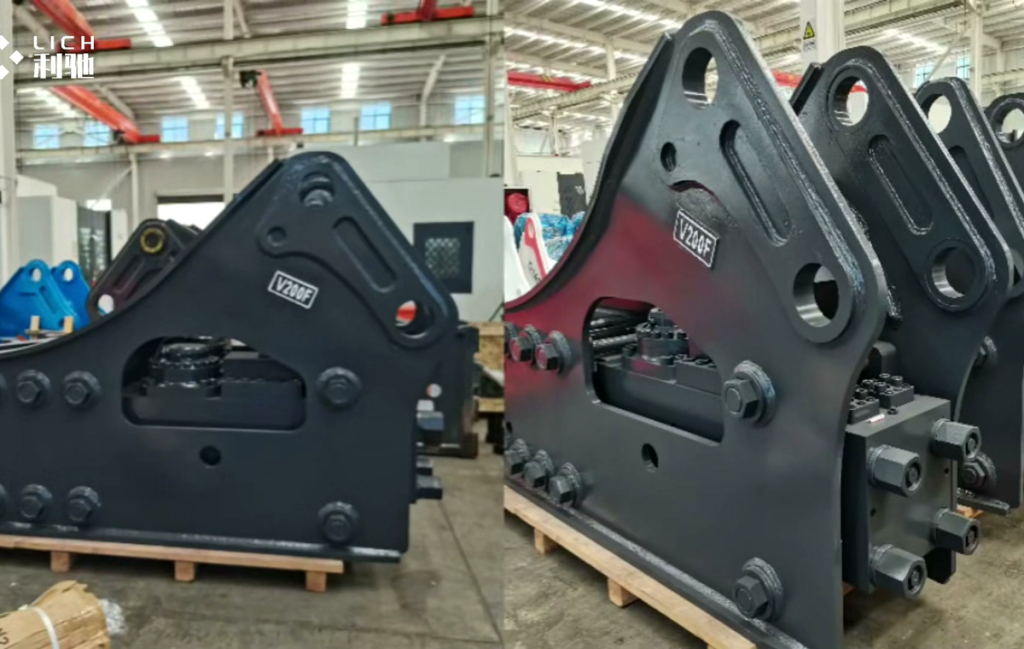
Match the Carrier Before You Compare Breaker Prices
A hydraulic breaker is part of a hydraulic system, not a stand-alone tool. Carrier weight is the first filter, but it does not confirm the final match. The excavator must also supply the required oil flow and working pressure, and the bracket or quick coupler must match the machine.
Use this order: identify the carrier, check the hydraulic circuit, select the tool diameter and body type, confirm the mounting dimensions, and then prepare the quotation. If one of those inputs is missing, treat the model as a preliminary recommendation rather than an approved fitment.
LICHI Public Model Names Follow Chisel Diameter
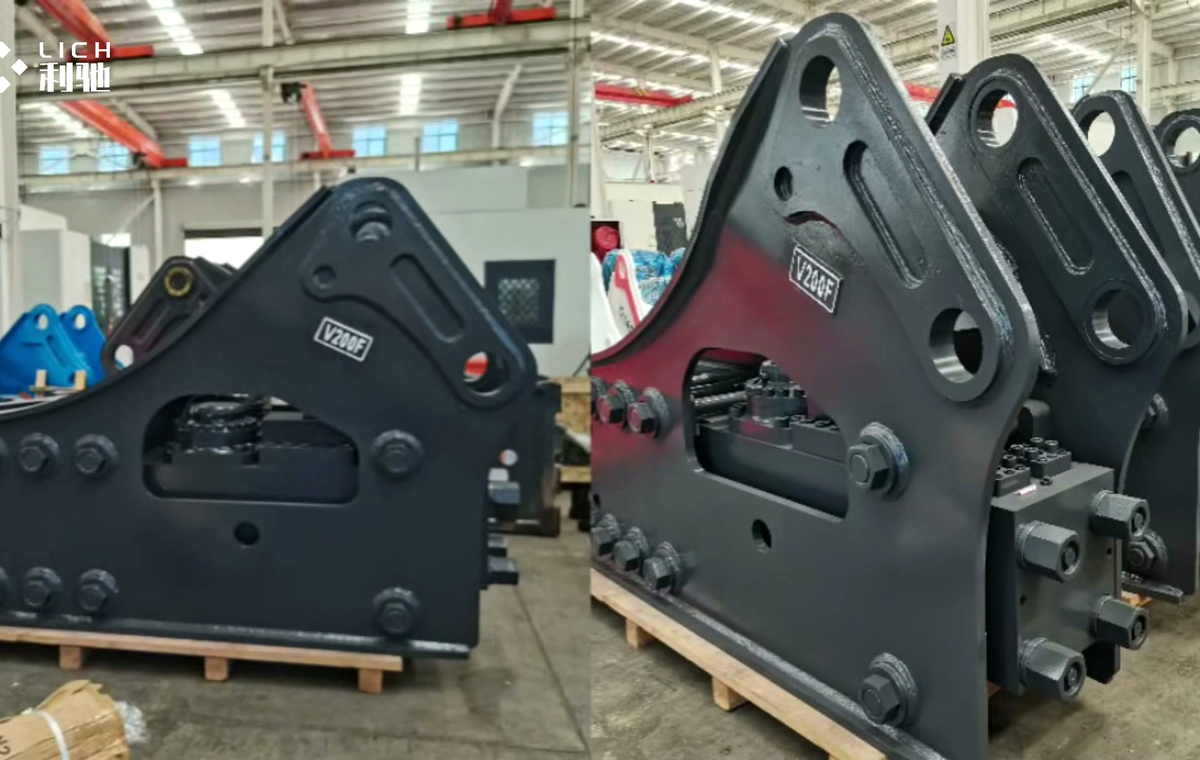
LICHI public model names use the working-tool diameter as the model number. For example, LC-68 identifies the 68 mm class and LC-140 identifies the 140 mm class. This naming rule gives buyers, quotations, packing lists and spare-parts requests one visible reference instead of mixing older internal series codes with public product names.
The diameter-based name is still not a compatibility promise. Two breakers with the same chisel diameter may have different housings, operating weights, flow ranges, brackets or internal revisions. Record the complete public model, body type, serial or nameplate details and carrier data on the final order.
LICHI Source-Table Model Range
The following carrier classes and tool diameters are taken from the LICHI hydraulic breaker model table dated September 22, 2025. Prices are deliberately excluded because export price, packing and freight must be confirmed for each order.
| Public model | Tool diameter | Listed carrier class | Matching status |
|---|---|---|---|
| LC-35 | 35 mm | 1–1.5 t domestic carrier class | Confirm exact machine data |
| LC-40 | 40 mm | 1–1.5 t imported carrier class | Confirm exact machine data |
| LC-45 | 45 mm | 1.5–2 t | Confirm oil flow and pressure |
| LC-53 | 53 mm | 3–5 t | Confirm oil flow and pressure |
| LC-68 | 68 mm | 6 t | Confirm oil flow and pressure |
| LC-75 | 75 mm | 7 t | Confirm oil flow and pressure |
| LC-100 | 100 mm | 12 t | Confirm oil flow and pressure |
| LC-135 | 135 mm | 20–25 t | Confirm breaker configuration and carrier data |
| LC-140 | 140 mm | 20–25 t | Confirm breaker configuration and carrier data |
| LC-150 | 150 mm | 25–30 t | Confirm breaker configuration and carrier data |
| LC-155 | 155 mm | 25–30 t | Confirm breaker configuration and carrier data |
| LC-165 | 165 mm | 30–36 t | Confirm breaker configuration and carrier data |
| LC-175 | 175 mm | 36–40 t | Confirm breaker configuration and carrier data |
| LC-180 | 180 mm | Confirm against exact carrier | Do not match by diameter alone |
| LC-195 | 195 mm | 42–55 t | Confirm oil flow, pressure and mounting |
| LC-200 | 200 mm | 45–55 t | Confirm oil flow, pressure and mounting |
| LC-200F | 200 mm | 45–55 t | Confirm reinforced configuration |
| LC-230 | 230 mm | 60–80 t | Engineering review required |
The table is a range finder, not final installation approval. Two excavators in the same weight class can have different auxiliary hydraulic circuits, couplers and working conditions.
Why Carrier Weight Is Only the First Filter
The carrier must be able to lift, control and position the complete attachment, not only the breaker power cell. Include the bracket, coupler, hoses and working tool when reviewing attachment weight. A breaker that is too heavy can reduce stability and handling; a breaker that is too small can be exposed to hydraulic input or carrier forces outside its approved range.
Carrier families also contain regional and option differences. One model name may cover several boom, counterweight, auxiliary-line or coupler configurations. Use the exact machine specification and attachment limit rather than assuming every machine with the same marketing tonnage accepts the same breaker.
Hydraulic Input Must Be Checked as a Complete Set
| Input | Evidence to collect | Order decision |
|---|---|---|
| Oil flow | Carrier manual, monitor setting or measured auxiliary flow | Must remain inside the selected breaker range |
| Working pressure | Carrier specification and circuit record | Compare with the breaker requirement |
| Relief setting | Machine setting or technician record | Confirm whether adjustment is required |
| Return route | Line diagram and connection photos | Confirm the correct circuit and fittings |
| Oil condition | Service record and contamination observations | Resolve maintenance issues before commissioning |
Do not substitute one field for another. Carrier tonnage cannot confirm oil flow, and maximum system pressure is not automatically the breaker operating pressure. If the required value is unavailable, keep the match provisional and request the exact carrier manual or a technician measurement.
Six Checks Required for Final Breaker Selection
1. Carrier brand, model and operating weight
Send the complete machine model and a nameplate photo. Marketing labels such as “20-ton excavator” are not precise enough when the same machine family has several operating weights or hydraulic configurations.
2. Auxiliary oil flow
Oil flow must remain inside the breaker’s approved operating range. Too little flow can reduce impact frequency; excessive flow can create heat, accelerated wear or component damage. Use the machine manual, monitor setting or a measured value rather than a guess.
3. Working and relief pressure
Confirm the available working pressure and the auxiliary circuit relief setting. The final quotation should record which pressure value the buyer supplied and whether a hydraulic adjustment is still required.
4. Bracket, pin and coupler dimensions
A breaker can be hydraulically suitable and still fail to mount. Send the quick-coupler type or the required bracket dimensions, including pin diameter, pin-center distance and the inside width between the excavator arm and linkage where applicable.
5. Work material and application
Concrete demolition, trenching, asphalt, secondary rock breaking and quarry work create different tool and body requirements. Send worksite photos or a short video and identify the material before choosing the chisel shape.
6. Breaker body type
- Triangular or side type: open access for inspection and practical general-purpose work.
- Silent or box type: enclosed housing for sites where noise, protection and a compact outer profile matter.
- Tower or top type: a vertical body route that must be checked against access, visibility and the required working angle.
- Concentric or solid-body type: confirm the exact application and compatible model rather than selecting it from appearance alone.
Housing choice comes after the carrier and hydraulic match. Review the current LICHI breaker range and record the selected body configuration on the quotation rather than using a housing name as the model.
From Preliminary Range to Approved Order
- Range: use carrier weight to shortlist one or more LC diameter classes.
- Hydraulic check: compare flow, working pressure and relief settings with the proposed breaker data.
- Mechanical check: confirm complete attachment weight, bracket, pins, coupler and hose connections.
- Application check: select body type and chisel shape for the material, access and site restrictions.
- Written approval: place the final public model, diameter, body type and unresolved conditions on the quotation.
- Commissioning record: verify the delivered configuration before work begins using the hydraulic breaker installation checklist.
This sequence keeps a sales shortlist from becoming an accidental fitment approval. It also leaves a usable record for future hose, seal-kit and chisel orders.
Three Matching Examples Without Guessing the Final Model
Example 1: compact carrier with incomplete hydraulic data
A buyer sends a 5 t operating-weight machine and asks for a breaker. The carrier class can create a preliminary shortlist, but it cannot release an LC model because the auxiliary flow, pressure, coupler and attachment limit are missing. The correct next step is to request the machine nameplate and auxiliary-circuit manual page, then compare the complete data with the proposed breaker.
Example 2: 20–25 t carrier with two diameter options
The LICHI range contains more than one public model associated with a 20–25 t source-table class. Carrier tonnage therefore does not decide between LC-135 and LC-140. The buyer must provide the exact carrier model, hydraulic values, complete attachment weight, bracket information and application. The quote should show why one configuration was proposed and which fields remain pending.
Example 3: mixed fleet using one breaker
A breaker may be moved between carriers only after each machine is checked independently. Record the approved coupler or bracket, hose and fitting route, flow setting, relief setting and operating boundary for every carrier. Do not copy the setup from the first excavator merely because the second machine has a similar operating weight.
Choose the Chisel After the Breaker Class Is Confirmed
The tool diameter helps identify the LC public model, while the tool shape is selected for the material and task. A moil point, blunt tool or flat chisel cannot correct a breaker-to-carrier mismatch. Confirm the breaker class first, then select a model-approved working tool and document the application.
Also record the tool length and retaining details when replacement chisels will be ordered later. The hydraulic breaker chisel guide explains the identification route, and the grease guide covers lubrication evidence without publishing one universal interval.
What the Final Match Record Should Contain
- carrier brand, complete model, operating weight and nameplate evidence;
- auxiliary oil flow, working pressure and relief setting with their source;
- public LC model, chisel diameter, body type and complete attachment weight;
- bracket or coupler drawing, pin data and hose or fitting record;
- application, work material, tool shape and any site restriction;
- technical items still pending and the person responsible for confirming them;
- revision date so a later change does not silently replace the approved setup.
Keep this record with the quotation and the carrier service file. When the breaker is delivered, compare the nameplate, body type, tool diameter and mounting parts with the approved record before commissioning.
Common Matching Mistakes
- Selecting from excavator tonnage without checking oil flow and pressure.
- Using the tool diameter as if it were a universal breaker model number.
- Ordering a bracket before pin and coupler dimensions are confirmed.
- Choosing a chisel without describing the material being broken.
- Assuming a photo proves compatibility when the nameplate and measurements are missing.
- Using one hydraulic setting for every carrier in a mixed fleet.
Information to Send for a Model Recommendation
- Excavator or carrier brand and full model.
- Operating weight and machine nameplate photo.
- Auxiliary oil flow in L/min.
- Working pressure and relief pressure in bar.
- Quick-coupler type or bracket dimensions.
- Work material, application and site photos or video.
- Preferred body type and chisel shape, if already specified.
- Quantity, destination country and destination port.
- Required spare parts, hoses, fittings and OEM options.
If hydraulic data is unavailable, send the machine manual page or a clear photo of the auxiliary hydraulic settings. LICHI can prepare a preliminary range, but the order should remain pending until the missing values are confirmed.
How the Quote Should Record the Match
A useful quotation should identify the carrier, proposed breaker, tool diameter, body configuration, bracket basis, hose or fitting requirement, spare parts, packing and unresolved technical inputs. This prevents a preliminary sales recommendation from being mistaken for final installation approval.
Use the hydraulic breaker export quote checklist for the commercial and shipping fields. If the order also needs chisels, seal kits, hoses or maintenance items, review the spare parts and support directory.
Primary Reference Boundary
Manufacturer selection data commonly lists carrier class, tool diameter, oil flow and operating pressure as separate fields. Technical support documents also separate matching, setup, operation and maintenance evidence. These references support the matching workflow, but their model values do not replace LICHI model data or the intended carrier manual.
Frequently Asked Questions
Can I choose a breaker from excavator tonnage alone?
No. Tonnage creates a preliminary range. Oil flow, working pressure, relief setting, bracket dimensions and application are required before final approval.
Does a 140 mm chisel always mean the same breaker?
No. Tool diameter is one identifier. Confirm the breaker series, body type, internal configuration, carrier data and mounting dimensions.
What if I do not know the excavator’s oil flow?
Send the complete machine model, nameplate and the auxiliary hydraulic page from the manual. Do not release the order from an estimated value.
Can a breaker be installed on a skid steer or compact tracked loader?
Potentially, but the carrier type does not prove compatibility. Available flow, pressure, attachment interface, carrier stability and the manufacturer’s operating limits must all be checked.
Does LICHI publish one universal bracket size?
No. Bracket and coupler details depend on the carrier. Confirm the required dimensions in writing before production.
Keep Comparing
Compare more breaker models and buyer guides related to this topic.


